Outdoors
Shrub rose
Rosa
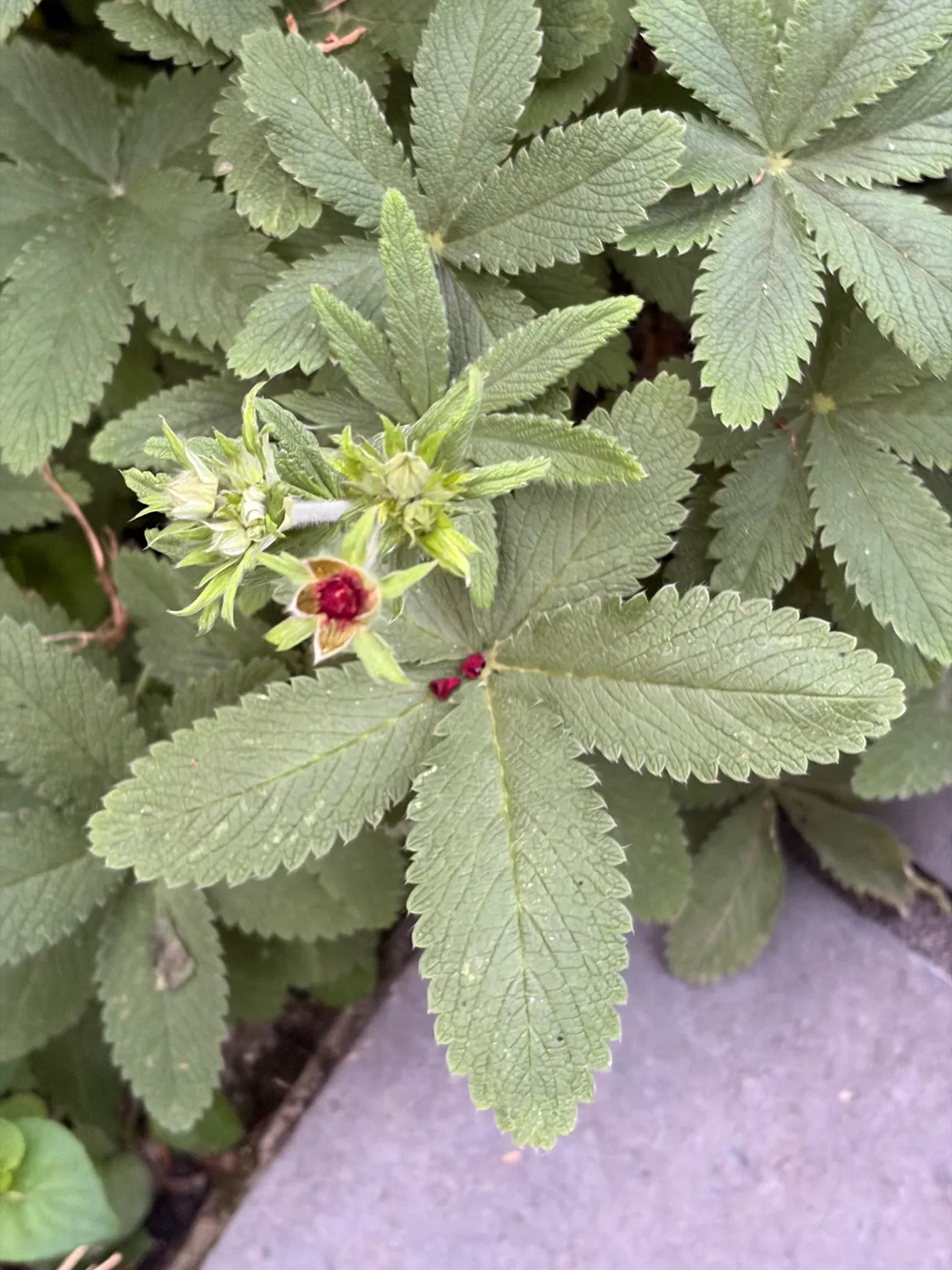
An unlabelled shrub rose with deep crimson flowers, one solid flush in early summer and possibly a smaller second one if it turns out to be a repeater.
- Rose
- Average
- Type
- Rose
- Light
- Full sun
- Water
- Average
- Hardiness
- H7
- Where
- Border
- Flowers
- June–July
- Colour
- red, crimson
Flowering year
Flowers June–July. It is currently August, so this plant is not in flower.
May give a lighter second flush later in summer, depending on the variety.
Outlined month is August, today.
Position and soil
- Sun
- Full sun
- Partial shade
- Aspect
- South-facing
- West-facing
- East-facing
- Exposure
- Exposed
- Sheltered
- Soil
- Chalk
- Clay
- Loam
- Sand
- Moisture
- Moist but well-drained
- Well-drained
- Soil pH
- Acid
- Alkaline
- Neutral
- Ultimate size
- 0.5-1 metres tall × 0.5-1 metres wide · 2-5 years to get there
- Habit
- Bushy
- Foliage
- Deciduous
- Family
- Rosaceae
Sourced from the RHS. Stand-in figures from a crimson species shrub rose, Rosa gallica var. officinalis; our plant is unidentified and may not even be a Rosa. The H7 hardiness rating is that species' too, so it may well be optimistic for whatever this actually is.
Care
- Watering
- A deep soak at the base once or twice a week in dry weather. Aim at the roots, not the foliage, and skip it entirely once the soil holds moisture again.
- Feeding
- Rose fertiliser in spring, and a second dose after the first flush if it repeats. Mulch over the top with compost or well-rotted manure.
- Pruning
- Prune in late winter, taking out dead, crossing and spindly wood. Remove spent blooms through the summer.
Winter — Mulch
Hardy, so there is very little to do. Clear fallen leaves from underneath it, mulch the base without piling anything against the stems, and leave the pruning until late winter.
No label, no name, and no receipt. The habit is loose and twiggy rather than the stiff upright legs of a hybrid tea, which points at a shrub or species rose, and the flowers open a dense dark crimson from tightly wrapped buds. Whether it repeats is something only a full season will tell you.
What it actually wants
Sun, room, and infrequent deep watering. Roses root deeply, so a daily sprinkle that wets the top inch of soil is worse than useless — it encourages surface roots and does nothing for the plant in a real drought. One long soak at the base every few days is the whole technique.
Black spot will arrive. It always does, and it is not a reason to reach for a spray — most of the amateur fungicides that used to work have been withdrawn anyway. The spores overwinter on fallen leaves and on the stems, so the two jobs that genuinely reduce it are raking up infected leaves in autumn and binning rather than composting them, and cutting out marked wood when you prune in late winter. A rose that goes blotchy in August has usually already flowered, which puts the whole thing in perspective.
Air movement helps too, which is another argument for not crowding it.
Winter
Mulch and otherwise leave it alone. It is hardy enough to ignore anything a UK winter does. Save the pruning for late winter, when you can see the shape of the bare stems and the worst frosts are behind you.